
The Ultimate Guide to an Unforgettable Wildlife Experience.
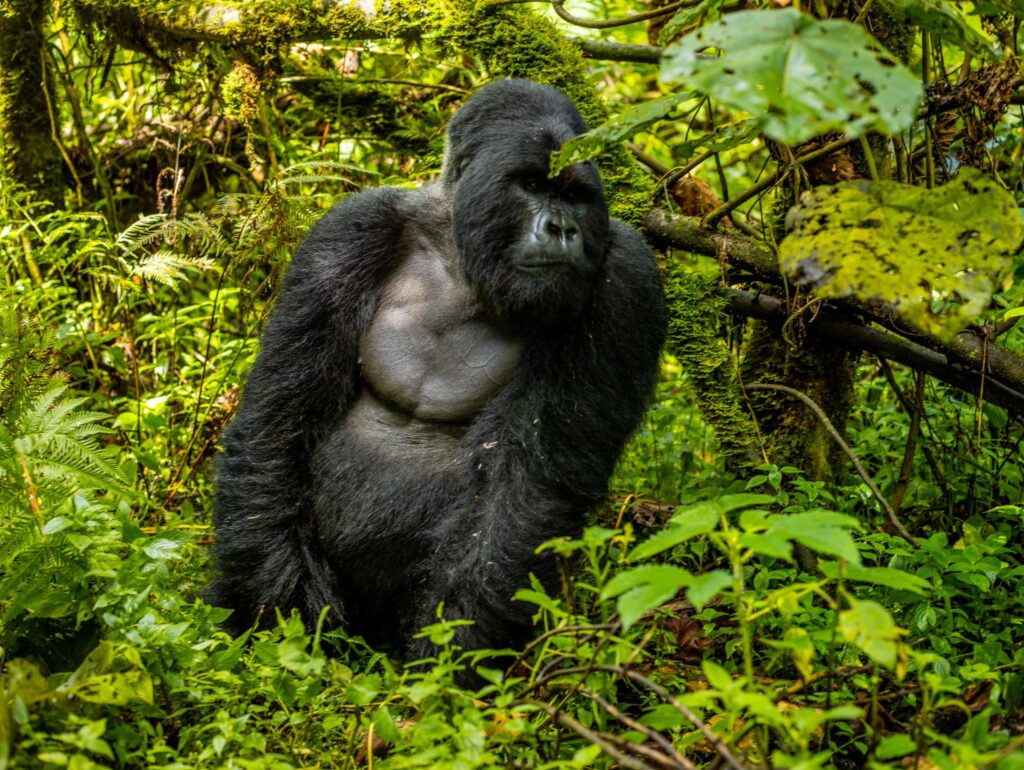
Gorilla trekking in Uganda is one of the most extraordinary wildlife experiences in Africa, offering travelers the opportunity to encounter endangered mountain gorillas in their natural habitat. Nestled within lush tropical forests and mist-covered mountains, Uganda is one of the few countries in the world where visitors can observe these magnificent primates in the wild.
Uganda is home to two mountain gorilla trekking destinations: Bwindi Impenetrable National Park and Mgahinga Gorilla National Park. Both offer unique trekking experiences, beautiful landscapes, rich biodiversity, and unforgettable encounters with gorilla families.
Whether you’re planning your first safari or returning to Africa for another adventure, gorilla trekking in Uganda promises an experience that combines conservation, adventure, and a deep connection with nature
Where to Go Gorilla Trekking in Uganda
Uganda offers two destinations where visitors can trek mountain gorillas.
1. Bwindi Impenetrable National Park
Bwindi Impenetrable National Park is Uganda’s most popular gorilla trekking destination and a UNESCO World Heritage Site. The park is home to nearly half of the world’s remaining mountain gorillas and offers several trekking sectors, including Buhoma, Ruhija, Rushaga, and Nkuringo.
The dense forest, steep terrain, and diverse wildlife make Bwindi an exceptional destination for nature lovers and adventurous travelers. Gorilla trekking here involves hiking through thick vegetation with experienced guides and trackers until a habituated gorilla family is located.
2. Mgahinga Gorilla National Park
Located in southwestern Uganda, Mgahinga Gorilla National Park is part of the Virunga Mountain range. It is smaller and less crowded than Bwindi, making it an excellent choice for travelers seeking a quieter trekking experience.
The park is famous for its beautiful volcanic scenery, bamboo forests, and the Nyakagezi gorilla family. Trekking in Mgahinga can also be combined with golden monkey tracking and volcano hiking.
What Is Gorilla Trekking Like?
Gorilla trekking begins early in the morning with a briefing by park rangers. Visitors are assigned to a gorilla family and guided into the forest by trained trackers who monitor the gorillas’ movements.
The trek may take anywhere from a few hours to most of the day, depending on where the gorillas are located. The terrain can be muddy, steep, slippery, and challenging, so a reasonable level of fitness is recommended.
Once the gorillas are found, visitors are generally allowed to spend one hour observing them. During this time, you may see gorillas feeding, grooming, playing, resting, or interacting with members of their family.
Watching a mountain gorilla up close in the wild is a powerful experience that many travelers describe as one of the highlights of their African safari.
How Much Does Gorilla Trekking in Uganda Cost?
The cost of gorilla trekking in Uganda depends on permit fees, accommodation, transport, meals, and whether you choose a private or group safari.
The gorilla trekking permit is the most important expense and must be secured in advance, particularly during peak travel seasons.
Your overall safari budget may include:
– Accommodation near Bwindi or Mgahinga
– 4×4 safari vehicle and driver-guide
– Airport transfers
– Meals and drinks
– Porter services
– Optional activities and extra safari days
For the latest permit prices, travelers should confirm rates directly with the Uganda Wildlife Authority or a reputable tour operator before booking.
Best Time for Gorilla Trekking in Uganda
Gorilla trekking in Uganda is available throughout the year. However, some months offer more favorable hiking conditions.
Dry seasons:
– June to September
– December to February
These months are often preferred because forest trails may be less slippery, making trekking more comfortable.
Rainy seasons:
– March to May
– October to November
Rainy periods can make the forest muddy and hiking more demanding. However, the forest becomes lush and beautiful, and gorilla trekking continues throughout the year.
The best time to visit depends on your travel preferences, budget, availability of permits, and tolerance for wet hiking conditions.
What to Pack for Gorilla Trekking
Proper preparation can make your gorilla trekking experience much more comfortable.
We recommend packing:
– Waterproof hiking boots with good grip
– Long trousers and long-sleeved shirts
– Waterproof jacket or rain poncho
– Gardening gloves for gripping vegetation
– Small backpack
– Drinking water
– Snacks
– Insect repellent
– Sunscreen
– Camera with a suitable zoom lens
– Walking stick (often available at the park)
Neutral-colored clothing is ideal for forest trekking, and layers are useful because mornings can be cool while hiking can become warm.
Gorilla Trekking Rules and Conservation
Gorilla trekking is carefully regulated to protect mountain gorillas and minimize human impact on their environment.
Visitors are expected to follow ranger instructions, maintain a safe distance from gorillas, avoid visiting when sick, and refrain from eating or drinking near the gorillas. Flash photography is prohibited, and visitors should avoid sudden movements or loud noises.
These rules help protect gorillas from human diseases and stress while supporting long-term conservation efforts.
Why Choose Uganda for Gorilla Trekking?
Uganda is an excellent destination for gorilla trekking because it offers a combination of wildlife, culture, landscapes, and safari experiences.
Travelers can combine gorilla trekking with:
– Chimpanzee tracking in Kibale Forest
– Wildlife safaris in Queen Elizabeth National Park
– Boat cruises along the Kazinga Channel
– Golden monkey tracking in Mgahinga
– Hiking in the Rwenzori Mountains
– Cultural visits and community experiences
Uganda’s diverse attractions make it easy to create a multi-day safari that goes beyond gorilla trekking.
Frequently Asked Questions About Gorilla Trekking in Uganda
Is gorilla trekking in Uganda worth it?
Yes. Gorilla trekking offers a rare opportunity to observe endangered mountain gorillas in their natural environment. The experience is memorable for its wildlife encounters, forest scenery, and contribution to conservation.
How difficult is gorilla trekking?
The difficulty varies depending on the location of the gorilla family and the terrain. Some treks are relatively short, while others require several hours of hiking through steep, muddy, and dense forest.
How long do you spend with the gorillas?
Standard gorilla trekking permits generally allow visitors one hour with the gorillas once they are located.
Do I need to book gorilla trekking in advance?
Yes. Gorilla permits are limited each day, so advance booking is highly recommended, especially during popular travel months.
Can I see gorillas in both Bwindi and Mgahinga?
Yes. Both parks are home to habituated mountain gorilla families and offer guided trekking experiences.
Conclusion
Gorilla trekking in Uganda is more than a wildlife activity—it is an opportunity to explore one of Africa’s most beautiful forests, encounter endangered mountain gorillas, and contribute to their protection.
Whether you choose Bwindi Impenetrable National Park or Mgahinga Gorilla National Park, your trek promises adventure, discovery, and memories that will last a lifetime.
With proper planning, the right gear, with Roar Expeditions and Adventures, Uganda offers one of the world’s most rewarding gorilla trekking experiences.